Florida's New Stem Cell Law: What patients need to know about therapies at novaGenix

Stem Cell Therapy and Regenerative Medicine in Jupiter, Florida

NovaGenix provides physician-led regenerative medicine consultations in Jupiter, Florida. Treatment candidacy is evaluated individually, with discussion of the specific biologic product being considered, its FDA status, the available evidence, potential risks, alternatives, and realistic expectations. Florida law permits certain non-FDA-approved stem cell therapies to be offered under defined conditions and disclosure requirements; it does not establish that those therapies are proven effective for every condition. Patients should understand that outcomes vary and no treatment can guarantee tissue repair, regeneration, pain relief, or avoidance of surgery.

Senate Bill 1768 Regarding Stem Cell Therapy in Florida

Recently Florida passed into law new legislation which permits doctors the ability to treat patients with Stem Cells. Florida's new stem cell bill, designated as Senate Bill 1768, authorizes licensed physicians to provide stem cell therapies that have not been approved by the U.S. Food and Drug Administration (FDA) for specific conditions, including orthopedics, wound care, and pain management. The law, which went into effect on July 1, 2025, aims to expand patient access to these treatments while establishing a regulatory framework to ensure patient safety and ethical standards.

Key provisions of the bill include:

  • Source and Manufacturing Requirements: Stem cells used must be sourced from facilities that are registered with the FDA and certified or accredited by recognized organizations like the National Marrow Donor Program, the World Marrow Donor Association, the Association for the Advancement of Blood and Biotherapies, or the American Association of Tissue Banks. The law specifically prohibits the use of cells derived from a fetus or embryo after an abortion.
  • Informed Consent and Transparency: Physicians are required to obtain a signed informed consent form from patients, which must explicitly state that the therapy is not FDA-approved. Advertisements for these therapies must also include a clear disclosure about their unapproved status. (See the informed consent form here)
  • Penalties for Violations: The bill establishes criminal penalties, including felony charges, for violations such as using human cells or tissues derived from a fetus or embryo after an abortion, or the unauthorized sale, manufacture, or distribution of computer products created using human cells.

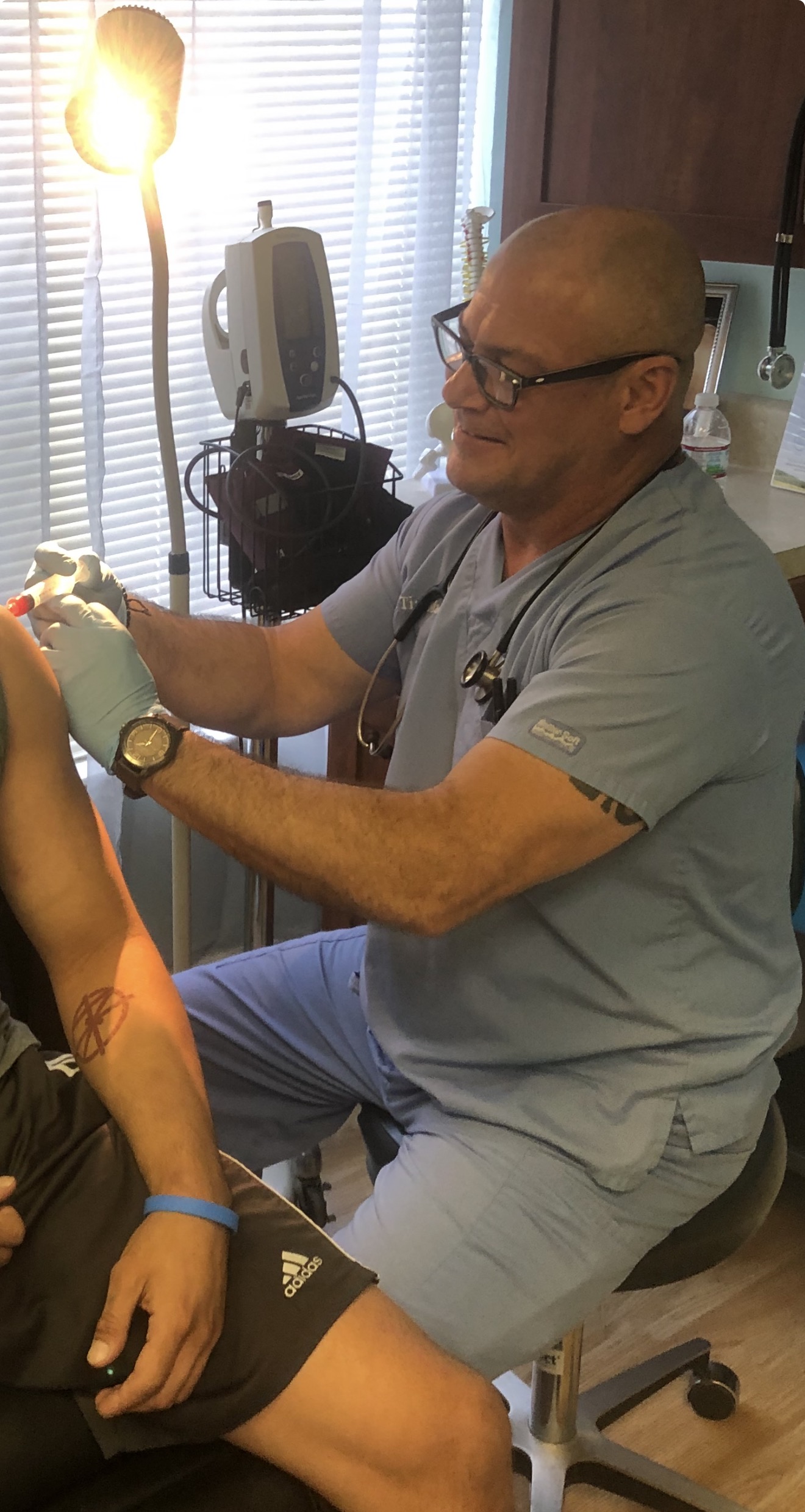
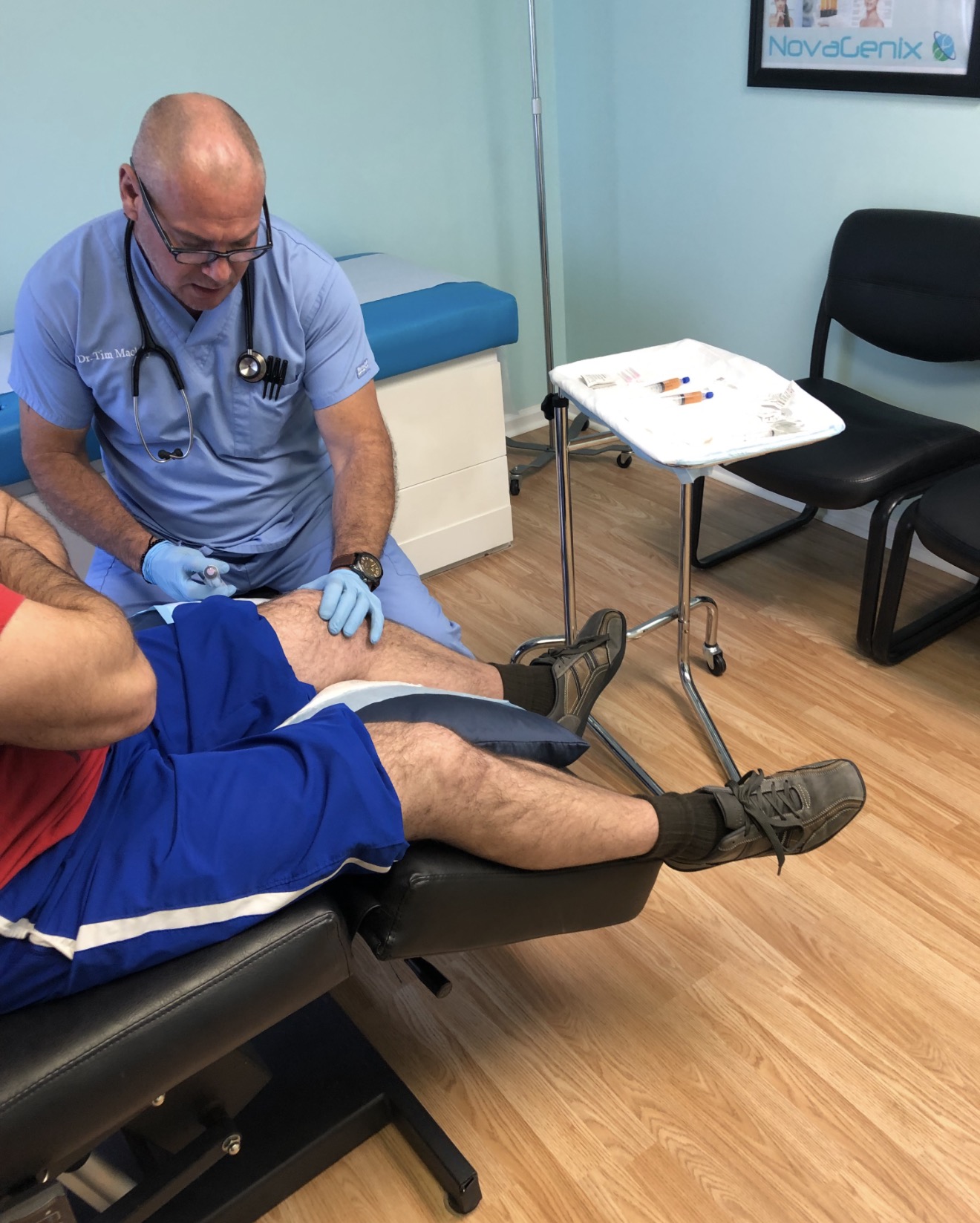
Patients can receive Stem Cell treatments that are minimally invasive. These manipulated tissue allografts are derived from a patient’s own blood or umbilical cord tissue layers from Wharton’s Jelly and are then processed in a cell bank to maximize cellular concentrations for use and research. These allograft tissue products are intended to be used to enhance the body’s natural healing ability. Stem Cell therapy and regenerative medicine is an evolving area of medicine being studied for its potential effects on tissue function, inflammation, and healing. Evidence varies by product, condition, route of administration, and patient, and treatment cannot guarantee tissue repair or regeneration.

Natural biologic stem cell products involve the manipulation of human cells, tissues, or organs to restore normal function through tissue engineering and molecular biology. The human body will naturally respond to injury or disease by initiating processes of healing and defending themselves on a cellular level.

Regenerative medicine continues to be actively studied, but outcomes vary and should not be described as miraculous or as guaranteed alternatives to surgery or other established treatments. Patients should receive a physician-led discussion of the available evidence, limitations, risks, alternatives, and realistic expectations.

What Are Stem Cells?

Stem cells are unique, unspecialized cells with the ability to develop into various other cell types and to self-renew. This dual function allows them to repair and regenerate tissues. There are different types, including embryonic, adult (somatic), and induced pluripotent stem cells.

In the U.S., the only FDA-approved stem cell treatments are hematopoietic (blood) stem cell transplants for blood and immune system disorders. Other stem cell therapies are considered experimental and are not approved by the FDA. The FDA regulates all stem cell products, and you can find information on clinical trials at ClinicalTrials.gov.

The FDA warns against unapproved products for a wide range of conditions, including orthopedic, neurological, cardiovascular, and pulmonary diseases, as well as COVID-19, chronic pain, and more.

Stem Cell Therapy & Sources

Stem cell-based therapies include a wide range of products and clinical approaches. Some uses are established and FDA-approved, while many regenerative applications remain investigational or are not FDA-approved for the condition being treated. Evidence, regulatory status, and expected benefit depend on the specific cell type, product, route of administration, and indication.

Stem cells can be sourced from various places:

  • Embryonic stem cells come from embryos and can become any cell type, but their use is ethically debated and these types of stem cells are not legal in Florida.
  • Adult stem cells are found in tissues like bone marrow and fat. They are more specialized and are key for tissue repair throughout a persons life.
  • Induced pluripotent stem cells (iPSCs) are created in a lab by reprogramming adult cells, offering a way to get pluripotent cells without using embryos.
  • Umbilical cord stem cells are collected from cord blood after childbirth and are rich in hematopoietic stem cells, which are used in the only FDA-approved treatments. Donors go through a rigorous vetting process, and cells are tested and certified.
  • Cord-derived biologic products are not interchangeable with FDA-approved hematopoietic stem-cell transplants; regulatory status and evidence depend on the specific product and intended use.
  • Wharton's Jelly is a substance in the umbilical cord that contains valuable mesenchymal stem cells.

Common Applications of Stem Cells

While still largely experimental, stem cell therapy is being explored for conditions such as:

  • Blood Disorders (e.g., leukemia)
  • Orthopedic Issues (bones, joints, cartilage)
  •   Autoimmune Diseases
  • Cosmetic and Anti-Aging Procedures
  • Chronic Pain
  • Wound Care

It's crucial to consult with licensed and experienced healthcare professionals and ensure that any therapy complies with current regulatory standards and best practices.

Here are a few examples of research papers dedicated to the understanding of these incredible cells:

NovaGenix Health & Wellness

Contact Us

Thank you! Your submission has been received!
Oops! Something went wrong while submitting the form.

Schedule a Consultation

Learn what you want to know about hormone therapy by scheduling a free consultation.

Contact Us Today
Location pin icon

609 N Hepburn Ave Ste 106, Jupiter, FL 33458