Start with a diagnosis
Identify what is causing your symptoms before comparing procedures.

Connect with us


.png)

Schedule a Consultation!
From hair restoration to joint health, platelet-rich plasma has become a familiar name. What it may offer depends on the condition, the treatment approach, and your individual health.
Explore the research, learn what to ask, and take the next step with a licensed physician.
Explore PRP usesOur current regenerative services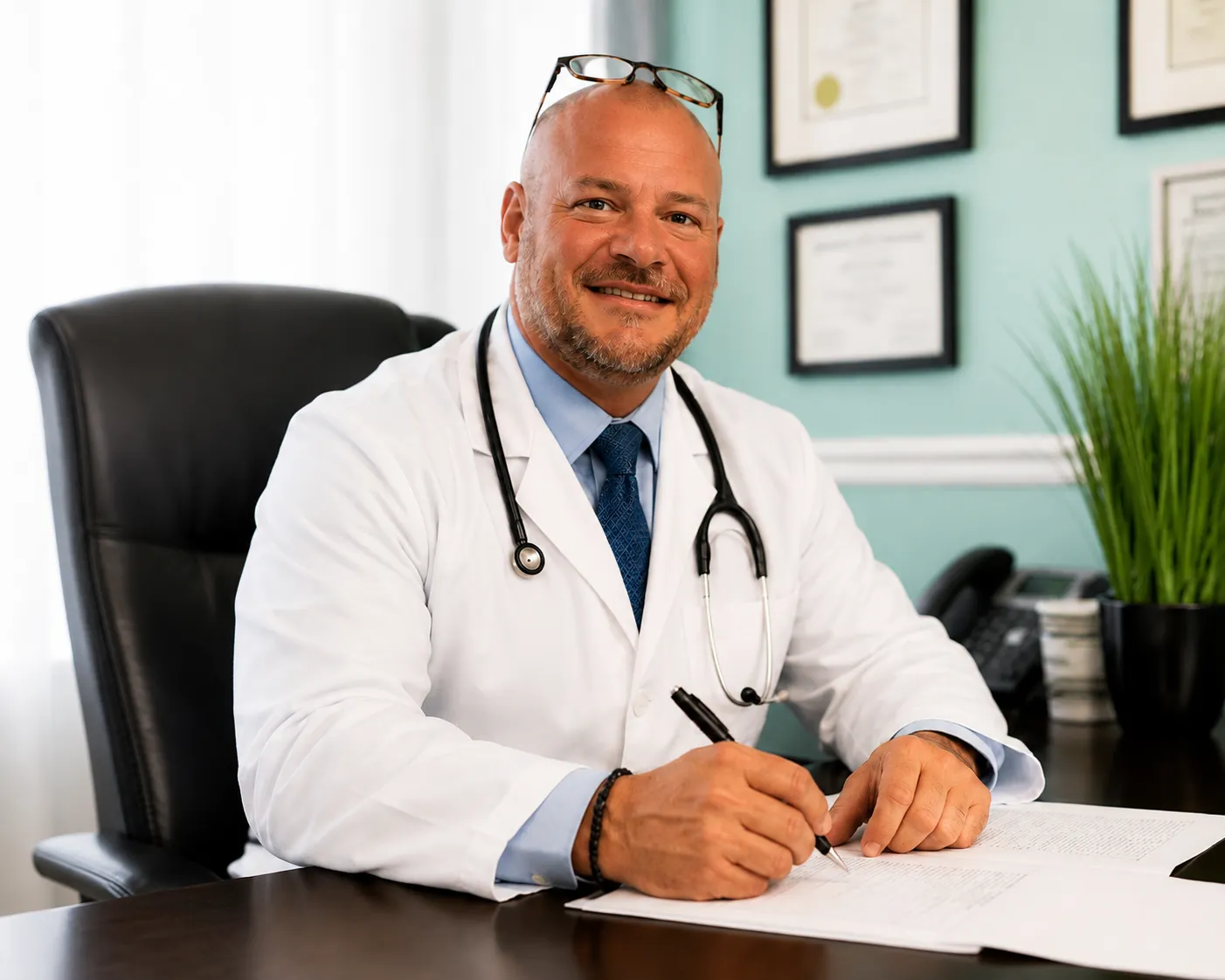
Platelet-rich plasma, or PRP, is prepared from a sample of your own blood. A centrifuge separates the blood into components so a portion with a higher concentration of platelets can be collected. Platelets contain growth factors involved in the body's response to injury.
The idea is to deliver those signals to a specific treatment area. That biological rationale is a starting point; clinical studies help determine whether a particular use improves outcomes that matter to patients.
PRP preparations differ. Platelet concentration, other blood cells, injection technique, and treatment schedules can vary between studies and clinics. Two treatments called “PRP” may therefore be quite different. Read the AAOS overview of PRP.
Identify what is causing your symptoms before comparing procedures.
Ask about research for your particular condition and treatment goal.
Agree on how progress will be measured and when to reassess.
Hair density, tendon pain, joint function, and skin appearance are different goals. Results for one should not be assumed to apply to another. Explore the research by the concern that matters to you.
For some people with hair loss, PRP is an option worth discussing with a dermatologist. Treatment involves preparing PRP from a blood sample and injecting it into the scalp. The American Academy of Dermatology describes potential benefits, including less shedding and improved growth, with repeat treatments often needed to maintain results.
A scalp examination comes first. Pattern hair loss, temporary shedding, and conditions that scar the scalp do not call for the same plan. Ask which diagnosis you have, whether PRP fits it, and how it compares with established medications or other approaches. Discuss the likely commitment to follow-up visits and how photographs or measurements will track change. AAD: diagnosing and treating hair loss.
Your next step: Ask your primary care provider or dermatologist to evaluate new or persistent hair loss before choosing a procedure.
In knee osteoarthritis, the American Academy of Orthopaedic Surgeons states that PRP may reduce pain and improve function, while rating the supporting recommendation as limited. That leaves room for an individualized discussion, particularly about symptom relief, cost, and the uncertainty of benefit. It does not establish that PRP regrows cartilage or reverses arthritis. AAOS knee osteoarthritis guideline (PDF).
For tendons, evidence is condition-specific. AAOS describes encouraging results for some chronic tendon injuries, especially tennis elbow, while noting that other tendon applications are less clear. A result in one tendon is not a promise for the shoulder, Achilles tendon, or every sports injury. AAOS discussion of orthopedic PRP.
Your next step: Review your diagnosis, prior treatment, activity goals, and rehabilitation plan with a sports medicine or orthopedic physician.
“Golf injury” describes how a problem happened, rather than a single diagnosis. Golfer's elbow typically involves the tendons on the inside of the elbow, often with pain during gripping or wrist movement. It is different from tennis elbow on the outside of the joint.
A clinician may recommend changes to aggravating activities, rehabilitation, and a gradual return to play. PRP sometimes enters the discussion when symptoms persist, but the decision should reflect the exact injured structure and the evidence for it. Ask how any injection would fit into recovery, including strength, technique, and workload changes. AAOS: golfer's elbow.
Your next step: Bring a description of which movements hurt and what you have already tried to a sports medicine consultation.
PRP is also discussed for skin texture and signs of aging. Some small studies have reported improvement, but the American Academy of Dermatology notes that important questions remain about effectiveness and the best treatment approach.
The term “PRP facial” can describe different procedures, including treatment combined with microneedling. Ask exactly what is planned, which improvements are realistic, and what evidence supports the complete procedure. Blood handling, sterile technique, and the clinician's qualifications matter. Temporary swelling, bruising, or discomfort may occur. AAD: PRP and younger-looking skin.
Your next step: Discuss your skin goals with a dermatologist or appropriately qualified physician, including alternatives and expected downtime.
If you are looking for relief from lichen sclerosus, you deserve a clear diagnosis and a plan that addresses both symptoms and ongoing care. PRP has been investigated, but early reports of improvement do not establish it as a replacement for standard treatment.
In a small randomized, blinded trial of vulvar lichen sclerosus, PRP did not show a statistically significant advantage over saline injections in the measured inflammation and patient symptom outcomes. The findings support keeping PRP investigational for this condition. Physician-directed topical corticosteroid treatment and follow-up remain important. Goldstein and colleagues: controlled PRP trial.
Your next step: Consult a gynecologist, dermatologist, or vulvar specialist. Do not stop an existing treatment plan or delay follow-up to pursue PRP.
No. “Regenerative medicine” is a broad category, not one interchangeable treatment. Understanding the specific preparation is more useful than choosing by the category name.
PRPA platelet-rich portion of the patient's own blood.
STEM CELL APPROACHESCell-based approaches whose source, processing, and composition can differ.
PRPWhich preparation and procedure have been studied for my diagnosis?
STEM CELL APPROACHESWhat exact product is proposed, and what evidence and regulatory status apply to its intended use?
PRPNot currently offered. This page provides education.
CURRENT SERVICESExplore our regenerative medicine services and physician-led consultation options.
Evidence for PRP does not establish the effectiveness of a stem cell product, or vice versa. The FDA advises patients to examine the claims and regulatory status of regenerative products carefully. FDA information for patients.
A typical procedure involves a blood draw, preparation, and treatment of the target area. Some injections use ultrasound guidance. The provider should explain the approach and any comfort measures.
Temporary soreness or bruising can occur. Improvement, when it occurs, may take weeks or months, depending on the application. Activity restrictions and repeat visits should be tailored to the procedure.
Discuss medications, bleeding concerns, and other health conditions. Using your own blood does not eliminate risks such as infection or tissue injury. Get clear aftercare instructions and a contact for concerns.
Procedure and recovery overview: Johns Hopkins Medicine. Ask the treating physician for individual instructions; do not change prescribed medication on your own.
No. NovaGenix currently offers other regenerative treatments, not PRP injections. Visit our regenerative medicine page for current service information, or contact the clinic to discuss consultation options. For PRP specifically, speak with your primary care provider or a qualified specialist.
Request a written estimate from the provider who would perform the procedure. Ask whether it includes the consultation, imaging guidance, all planned sessions, and follow-up. Coverage may be limited; verify benefits directly with your insurer. NovaGenix does not quote PRP prices because we do not currently provide it.
There is no single schedule for every PRP use. Ask how the proposed number and spacing of treatments relate to the diagnosis and supporting research. Agree on a reassessment point before committing to additional sessions.
No. The source of the preparation does not predict the result. Your diagnosis, the procedure, and the quality of the evidence all matter. Ask about likely benefits, alternatives, and risks in your situation.
Start with the condition you want treated. Your physician can compare the relevant options, including standard care, and explain where a regenerative approach may or may not fit. Different regenerative procedures should not be presented as automatic substitutes for each other.
Our physician-led clinic in Jupiter offers other regenerative treatments. Learn about our current services, or contact us to discuss whether a consultation fits your needs. PRP injections are not currently available at NovaGenix.
View regenerative medicine servicesContact NovaGenix609 N Hepburn Ave Ste 106, Jupiter, FL 33458
(561) 277-8260
This page is for patient education and does not replace individual medical advice. Discuss symptoms and treatment decisions with your primary care provider or an appropriately qualified licensed physician.
Learn what you want to know about hormone therapy by scheduling a free consultation.
Contact Us Today
609 N Hepburn Ave Ste 106, Jupiter, FL 33458

Monday - Friday: 9:00 am - 5:00 pm | Saturday-Sunday: Closed

