


.png)

NUTRITION & WEIGHT MANAGEMENT
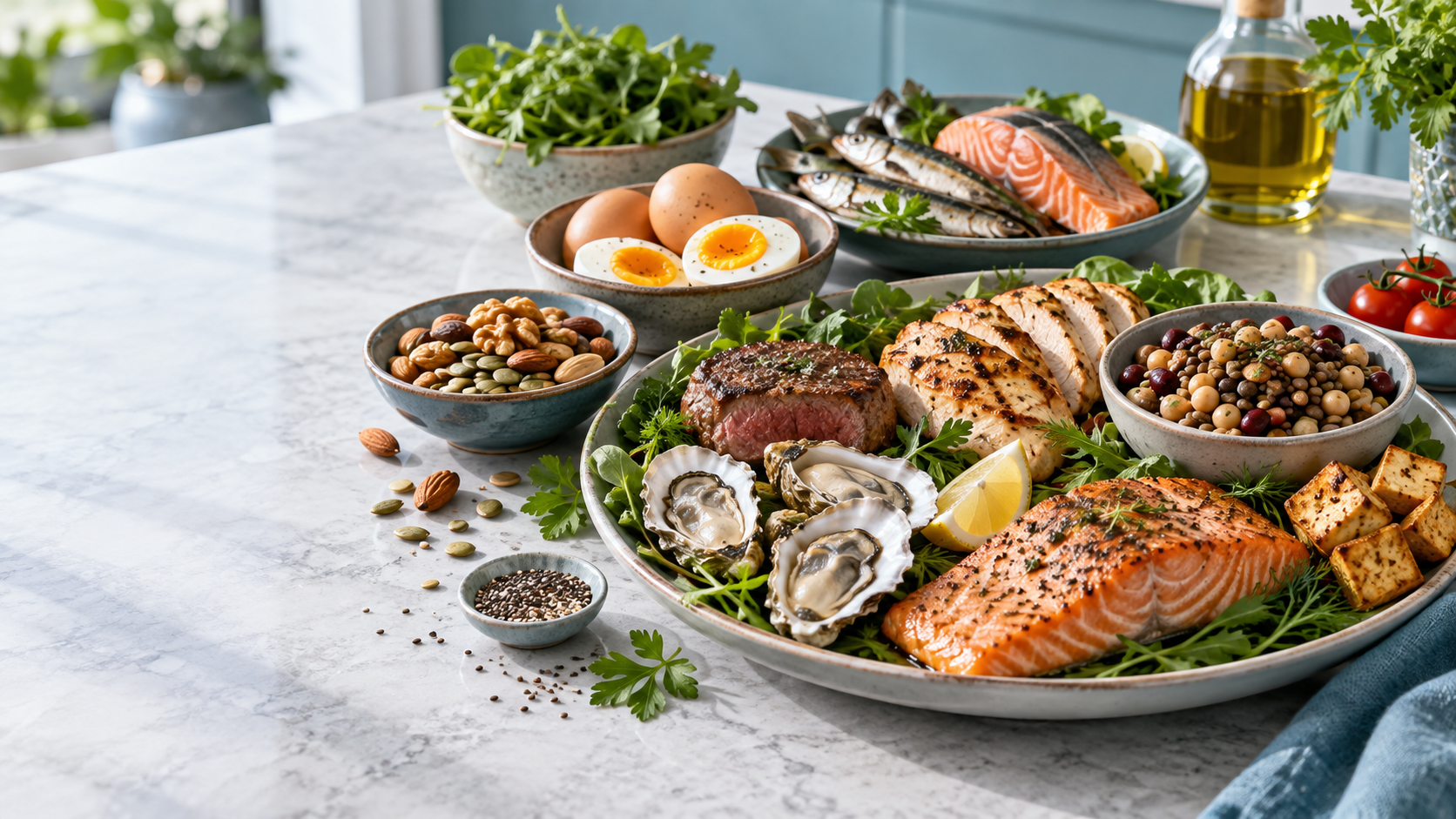
Build satisfying meals around foods you enjoy, rather than searching for one ingredient that burns fat.
Physician-led care with Dr. Timothy Mackey, Medical Director of NovaGenix.
1. Leafy greens: add variety and volume
Spinach, kale and other greens can be used in salads, soups, sandwiches or cooked dishes. Fresh, frozen and plain prepared options can all make meals easier. Choose what you will actually eat.
Try it: Add greens to a bean soup or serve them alongside a protein and a whole grain. Dressings, oils and toppings contribute to the meal too; using more greens does not cancel out the rest of the plate.
2. Protein foods: build a satisfying meal
Fish, poultry, tofu, yogurt and beans offer different ways to include protein. Needs vary with age, activity, body size and medical conditions. There is no single high-protein target that is appropriate for everyone.
Try it: Pair grilled fish or tofu with vegetables and rice, or use plain yogurt with fruit. Adequate protein and resistance exercise can support muscle during weight loss, but no food guarantees preservation of all lean tissue.
3. Eggs: one convenient option
Eggs can fit into meals when they suit your preferences, allergies and health needs. They are not a special weight-loss treatment, and you do not need to eat them to follow a useful plan.
Try it: Combine eggs with vegetables and whole-grain toast. If eggs are unsuitable, choose another protein rather than forcing a particular breakfast routine.
4. Berries: a flexible fruit choice
Fresh or frozen berries can add variety to oatmeal, yogurt or a snack. Whole fruit can contribute fiber and nutrients. Berries do not independently speed metabolism or prevent every blood-glucose rise.
Try it: Use plain frozen berries when fresh fruit is expensive or inconvenient. Consider the whole serving, including sweeteners and other ingredients, rather than assuming every berry-containing dessert supports the same goal.
5. Legumes: versatile and budget-friendly
Beans, lentils, chickpeas and peas contribute protein and fiber. They can serve as part of a main dish rather than only a side. Choose preparations that fit your preferences and any sodium or other dietary guidance.
Try it: Make lentil soup, add chickpeas to a salad or use beans in a vegetable bowl. Increase fiber gradually if a sudden change causes digestive discomfort.
What matters more than a “best foods” list?
- A sustainable pattern: Plan around budget, culture, allergies and access.
- Overall intake: Nutritious foods still need to fit your energy and medical needs.
- Strength and function: Include suitable resistance activity and adequate nutrition.
- Sleep and follow-up: Weight management is influenced by more than food.
- Appropriate treatment: Persistent difficulty may warrant evaluation, without implying a particular medication is required.
The NIDDK guide to weight-loss programs emphasizes realistic goals, ongoing support and a plan for maintaining progress.
Eating while taking a GLP-1 medication
If medication is being considered, our tirzepatide vs. semaglutide guide explains how those options compare. Medication decisions require an individual evaluation.
A reduced appetite can make it harder to meet nutritional needs. Tell the care team about persistent nausea, vomiting or difficulty eating and drinking. Do not interpret inability to nourish yourself as evidence that treatment is working especially well.
Read our guide to nutrition and muscle preservation during GLP-1 treatment. For longer-term planning, see maintaining weight loss and stopping medication.
Frequently asked questions
Do these foods burn belly fat?
No individual food reliably targets fat in one area. These are meal-building options, not a promise about body shape or the scale.
Must I avoid carbohydrates?
No universal rule requires that. Fruit, beans and whole grains can fit a balanced eating pattern. Individual advice may differ with diabetes, digestive conditions or other medical needs.
Are fresh foods always better than frozen or canned?
Convenience matters. Plain frozen produce and suitable canned foods can make a sustainable plan easier. Check ingredients and any dietary restrictions that apply to you.
Will a protein supplement prevent muscle loss?
Not by itself. A supplement may help meet an identified need, but training, total nutrition, health and the weight-loss plan all matter.
Build a plan that fits your health
NovaGenix in Jupiter can review your history, prior weight-management efforts and treatment goals. Explore medical weight-management options or arrange an evaluation. A consultation does not guarantee a prescription. Our guide to choosing a medical weight-loss program offers questions to bring to that conversation.
Call 561-277-8260 · Text NovaGenix · Schedule a consultation
Educational information, not an individualized diet or treatment plan.



